 Premier League
 Champions League
 LaLiga
 Serie A
 Bundesliga
 Ligue 1
 National teams
 MLB
 CPBL
 NPB
 KBO League
 Taiwanese players abroad
 League of Legends
 VALORANT
 CS2
 Dota 2
How Does the 2027 Winter Transfer Window Work? Opening and Closing Dates, Free Agents, Loans, and Pre-Contracts ExplainedGuides · Football · Formats & rules

Key points
- The transfer window is the period when new players can be registered, not when negotiations can take place
- The winter window lasts about a month, mostly for reinforcements and loans
- Players whose contracts run until June 2027 can agree pre-contracts with foreign clubs under the rules
1The Bottom Line First
- The transfer window is the period when "new players can be registered," not when "negotiations can take place." Negotiations happen year-round, but new players can only be registered and play in matches while the window is open.
- Two windows per year: The summer window (roughly mid-June to early September) is longer with more transactions; the winter window (January) lasts about a month and consists mostly of reinforcements and loans.
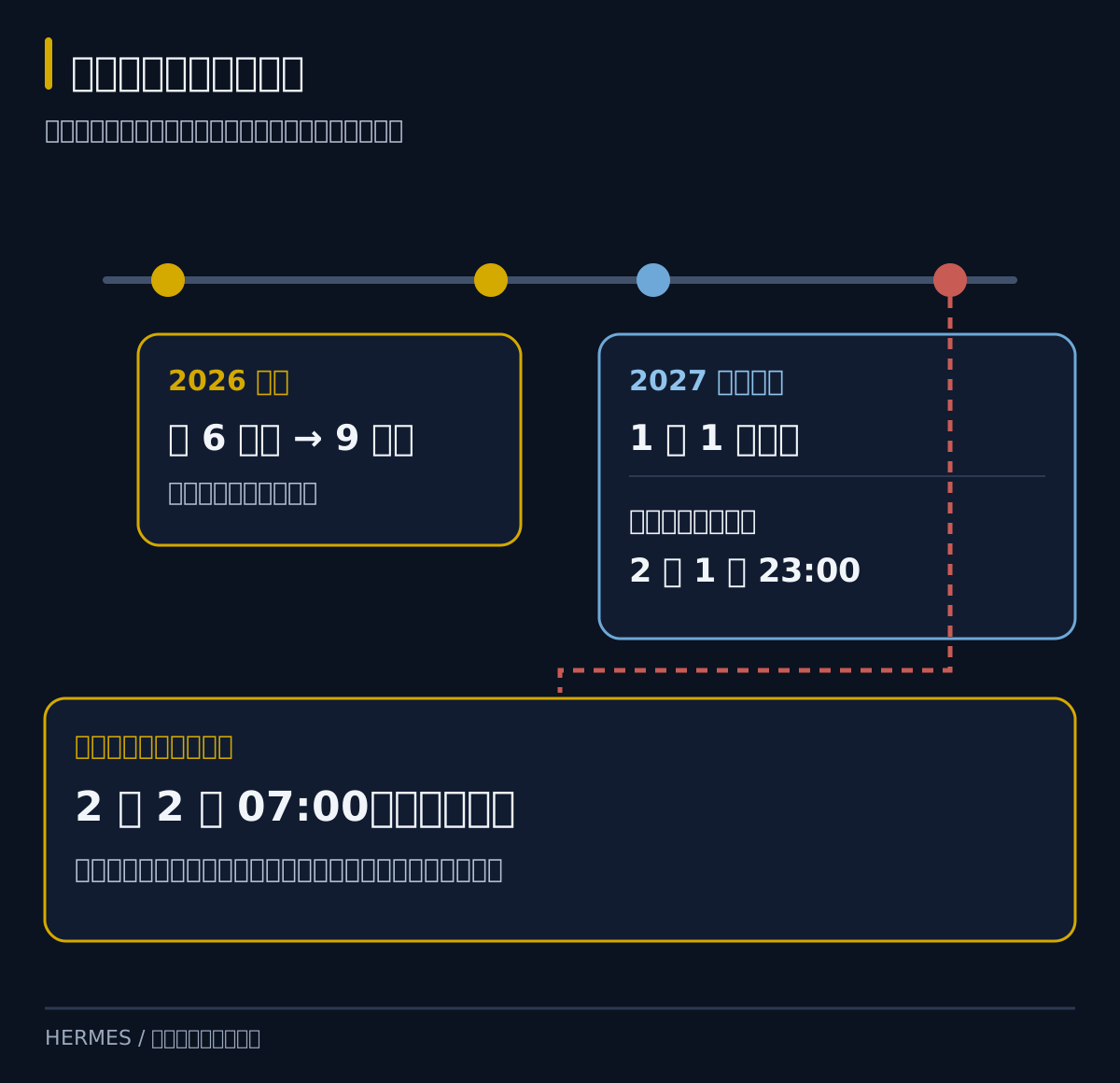
- 2027 Premier League winter window: Opens on January 1 and closes on February 1 at 11:00 PM UK time, which is 7:00 AM on February 2 in Taiwan time. The other top four leagues usually also open in early January and close in early February, with exact times subject to each league's announcement.
- Free agents are not restricted by the window: Players without a contract can also be signed outside the window in most leagues (though they must still comply with each league's registration regulations).
2Why Transfer Windows Exist
FIFA regulations provide the framework for registration periods; within this framework, each member association independently determines the exact opening and closing dates, with actual dates subject to announcements by that association and league. This is designed to keep team squads stable during the season so rosters are not changing every week.
3Four Types of Deals in the Winter Window
| Deal Type | How It Works | Common Scenarios in the Winter Window |
|---|---|---|
| Permanent transfer | Pay a transfer fee, and the player's contract transfers to the new club | Large permanent transfers are relatively rare in the winter window; most are for positions in urgent need of reinforcement |
| Loan | The player plays for another club temporarily while their contract remains with the original club; can include a purchase option | Most common in the winter window: big clubs loan out substitutes to accumulate playing time |
| Free agent | A player whose contract has ended and who has no club | Can also be signed outside the window, commonly used to cover for injuries |
| Pre-contract | A player with only half a year left on their contract can agree with a "foreign" club starting in January to join on a free transfer that summer (2027) | This is the commonly heard "Bosman": the original club receives no transfer fee |
4Why Deadline Day Is the Busiest
- Prices change: The closer it gets to the deadline, the more eager sellers are to offload players and buyers are to bring in reinforcements, so many deals drag on until the final day to be finalized.
- Chain reactions: When one team sells a key starter, it must immediately sign a replacement, so one deal often triggers several others.
- Paperwork must be submitted: The Premier League allows clubs to submit a "deal sheet" before the window closes and complete the formalities shortly after the deadline, which is why deals are often seen "announced hours after the window closes."
Fans in Taiwan should note: The Premier League window closes at 11:00 PM UK time, which is 7:00 AM the following morning in Taiwan, so the final transfer news is often only seen after waking up in the morning.
5Three Common Misconceptions When Reading Transfer News
- "Once the transfer window closes, talks cannot happen": Incorrect. Negotiations can happen at any time; players simply cannot be registered.
- "Loaned players always return": Loan deals can include an "option to buy" or an "obligation to buy," meaning some loans essentially function as transfers paid in installments.
- "The winter window is not important": Relegation-threatened teams and title contenders often rely on the winter window to reinforce one or two key positions, shaping the trajectory of the second half of the season.
6How to Tell Who Will Make Moves in the Winter Window
Transfer volume in the winter window is lower than in the summer window, but it is usually concentrated around certain types of clubs and players. When reading the news, you can assess the situation through these four indicators first:
- Players whose contracts run until June 2027: Starting January 1, they can reach agreements with foreign clubs to join on a free transfer in the summer of 2027. If the original club does not want to lose them for free in the summer, the winter window is the final opportunity to collect a transfer fee.
- Positions with extensive injuries: When a key starter suffers a long-term injury and only one player remains at that position, clubs often use the winter window to bring in loans or sign free agents to plug the gap.
- Relegation-threatened clubs: In the second half of the season, every point affects relegation survival. Relegation candidates buy players most frequently in the winter window, sometimes reinforcing multiple positions all at once.
- Clubs that have changed head coaches: After a new manager takes over, they often want to implement familiar tactics and players, making the winter window their first opportunity to adjust the squad.
In late December, we will add the focuses for this year's winter window: the positions each club needs most and prominent players with six months left on their contracts. Only reports from reliable media will be covered, with no unsourced rumors.
7Frequently Asked Questions
Can players signed in the winter window play immediately?
They can once registration is completed, but European competitions such as the Champions League have their own squad registration deadlines, so they may not necessarily be eligible to play in European competitions immediately.
Can free agents be signed at any time?
Most leagues allow free agents to be signed outside the window, but each league has its own registration deadlines and squad quota limits.
Why can pre-contracts only be signed with foreign clubs?
Under FIFA regulations, players with 6 months or less remaining on their contracts can negotiate in advance with other clubs; whether domestic clubs are restricted depends on the regulations of the member association and league. Systems such as England's generally only allow pre-contracts with foreign clubs, while negotiations with clubs in the same country must wait until the summer window.
How are transfer fees paid?
Installment payments are common, combined with "add-on clauses" based on appearances, trophies, and other milestones, which is why the "total fee" reported in the news often includes clauses that have not yet been triggered.
To view standings and fixtures for each league, visit league pages such as the Premier League; for how Premier League relegation and European qualification spots are determined, see Premier League Relegation and European Spots.
8Sources
- Sports Mole〈When is the January 2027 transfer window? Opening and closing dates for Premier League market〉
- Arsenal Official〈Transfer windows confirmed for 2026/27 season〉
- Premier League Official〈2027 transfer window dates〉
- FIFA Official〈Player transfers〉(member associations determine actual registration periods)
- FIFA Legal Official〈New regulatory framework for global football transfer system in 2027〉
- ESPN〈When does the January transfer window close?〉

Old Parker
Old Parker covers the Premier League, Champions League, Europe's major leagues and international football. He reads matches through schedule load, home-field context and recent form, then uses the numbers to explain formats, qualification routes and viewing times for readers in Taiwan.
View profile and articles ›